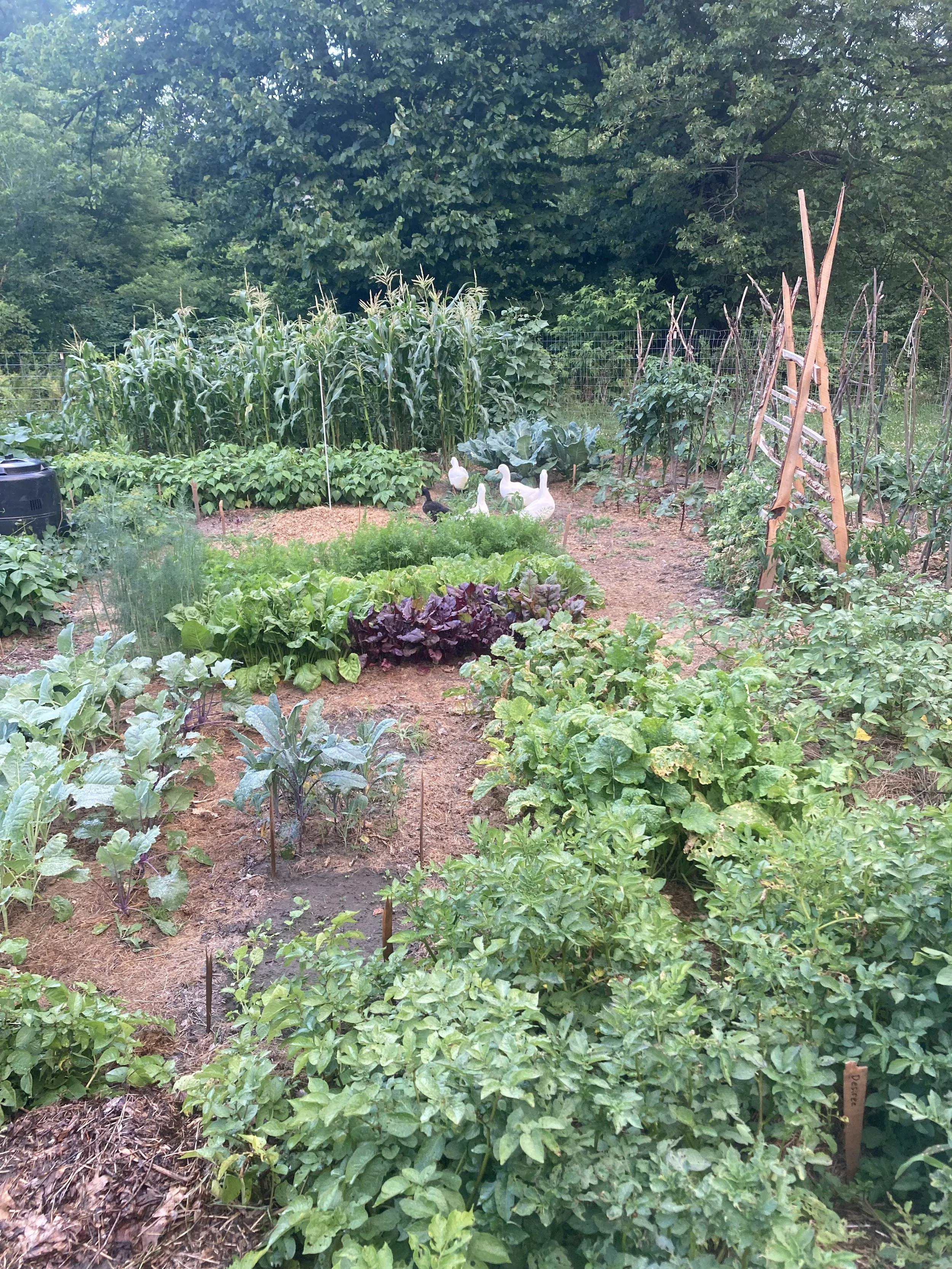
Welcome to our Farmstead
We are a young business. Trees take a long time to grow and we only just started building our commercial inventory, so many items may not be available yet. Please explore our site to see what we are working on and don’t hesitate to reach out with any questions. We welcome your input.
Our Trees and Bushes
Sorry, our store is not open yet. Please check back in the spring!

Pawpaw (Asimina triloba) is the largest tree fruit native to the U.S. It is also unique in its family Annonaceae (custard apples) in that it is the only member that lives in temperate climates. This is a small tree that likes partial shade. The fruit has soft, yellowy flesh encasing large, dark seeds and can be eaten with a spoon. Many people describe its flavor as a cross between a mango and a banana, with additional undertones. Though there are several cultivars that accentuate various fruit sizes and flavors, ours come from wild seedstock.
While the pawpaw’s native range is primarily centered in the Mid-West, it can be found in the wild as far east as parts of upstate New York and Pennsylvania. It has gained greater popularity outside its range in recent years and does well in New England.
While pawpaws do not have separate male and female trees, they are self-incompatible, meaning you will need at least two trees for fruit
Zones 5-9
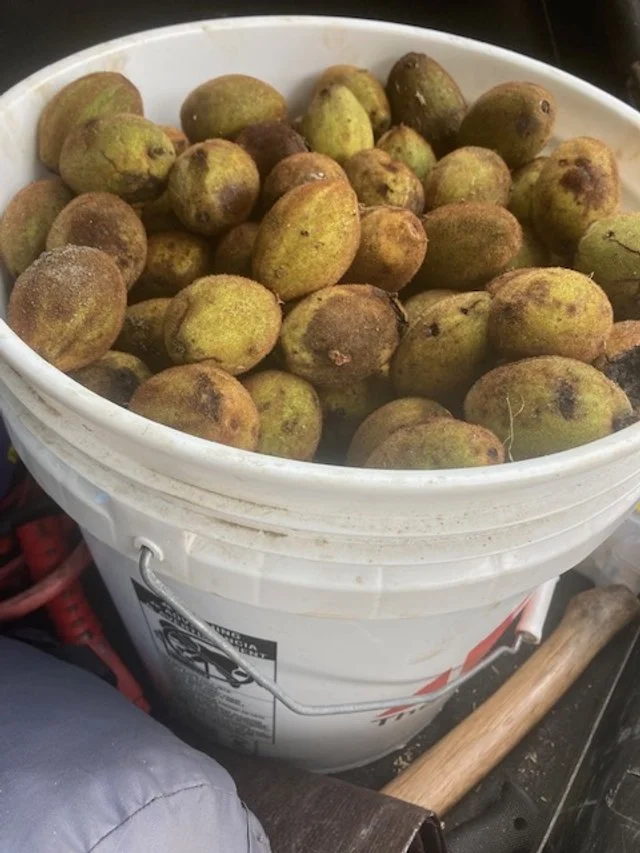
Butternuts (Juglans cinerea) are a great tree for foragers, woodworkers, and wildlife. The hard nut shells contain morsels of rich, sweetish meat that is great for cooking or eating straight. My grandfather tells how he and his brothers would collect several burlap sacks full as kids every fall in northern Vermont, that their mother would then use in baked goods.
The tree’s other common name “white walnut” refers to its thin-grained, hard, light wood, excellent for fine carpentry.
Our trees come from seedstock collected along our own White River watershed here in Vermont.
Zones 3-7

Dawn Redwood (Metasequoia glyptostroboides) is a deciduous tree, often referred to as a “living fossil”. It is the only remaining species of its genus, which was once widespread throughout much of the Northern Hemisphere. It was thought to be extinct until its discovery in a remote region of China in 1944. Since then, it has gained popularity as a large decorative landscaping tree and unique conversation piece.
This species is fast growing, with soft, light green needles. It has a very wide base and will form buttresses on its lower trunk. While it is the smallest of the redwoods, it can still attain heights of at least 165 ft.
This tree is adapted to harsh, temperate climates, and grows well as far north as Maine, but may be a little temperamental while still very young. We recommend giving trees extra protection for the first few winters if you live in colder regions.
Zones 4-8

Black Elderberry (Sambucus canadensis) is native to the eastern U.S. and is widespread throughout New England. Its large clusters of dark berries are excellent forage for song birds and other wildlife. The berries are eaten by humans as well, and can be made into jams, juice, wine, or eaten fresh. They are also highly nutritious, with many people using them in medicinal tinctures and homeopathic remedies.
Elderberries do well in moist soils and in the wild are commonly found along waterways. The plant’s growth pattern is bush-like, often with many trunks. It is an excellent choice for habitat-conscious and restorative plantings.
Zones 3-8
Our Services
Not sold out!
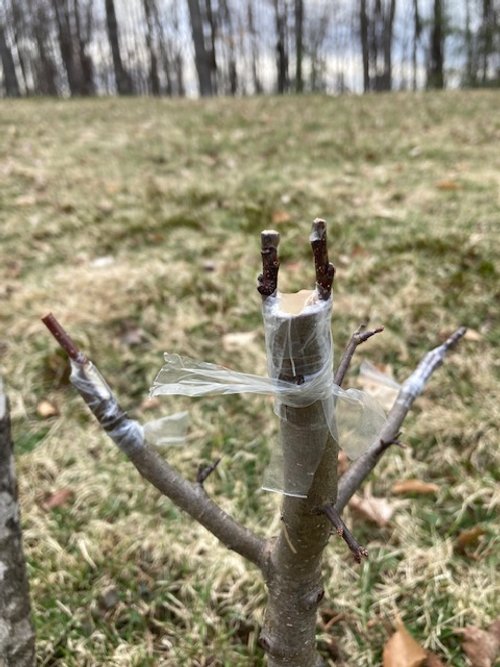
We offer grafting services for home orchards. Whether you have some rootstock that you’d like turned into a desirable fruiting variety, or if you have a full tree that you would like to add varieties onto, we can help. Please contact us for more information.
$5 per graft. Services required for top grafting will be an additional fee depending on the project.
$0.70/mile for mileage to and from the site, plus $25/hr drive time.

Not sold out!
If your backyard apple tree or other fruit is overgrown, or hasn’t produced well in several years, it might need a trim. If done correctly, pruning can encourage greater fruit yields and make for a visually more attractive tree. Smaller trees can also be trained to grow in more desirable ways using strings and weights, without the need for as much cutting.
$45/hr
$0.70/mile to and from your site, plus $25/hr drive time.
Please send us an email if this is a service you are interested in having us do, or would simply like some advice on doing yourself.
Note: this is not the same thing as arborist work.
Not sold out!
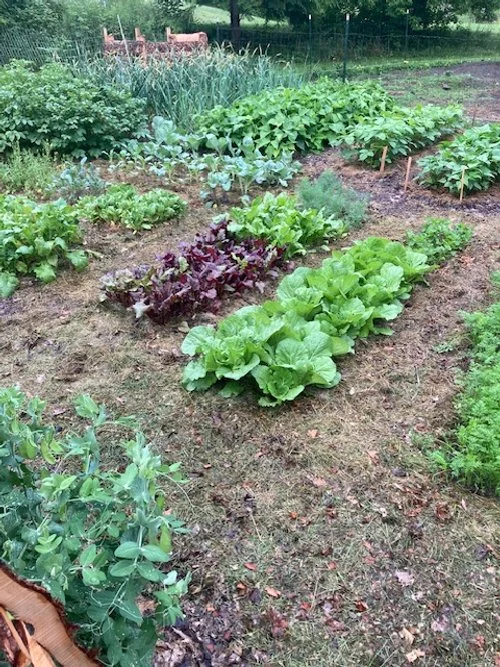
If you are passionate about your garden reaching its full potential but just don’t have the time or energy, we have years of gardening experience and are happy to help.
We also have some landscaping capacity, as long as it doesn’t require heavy equipment.
$45/hr
$0.70/mile to and from your site, plus $25/hr drive time
Please email us if this is a service you are interested in.
Our Tree Growing Projects
-
![]()
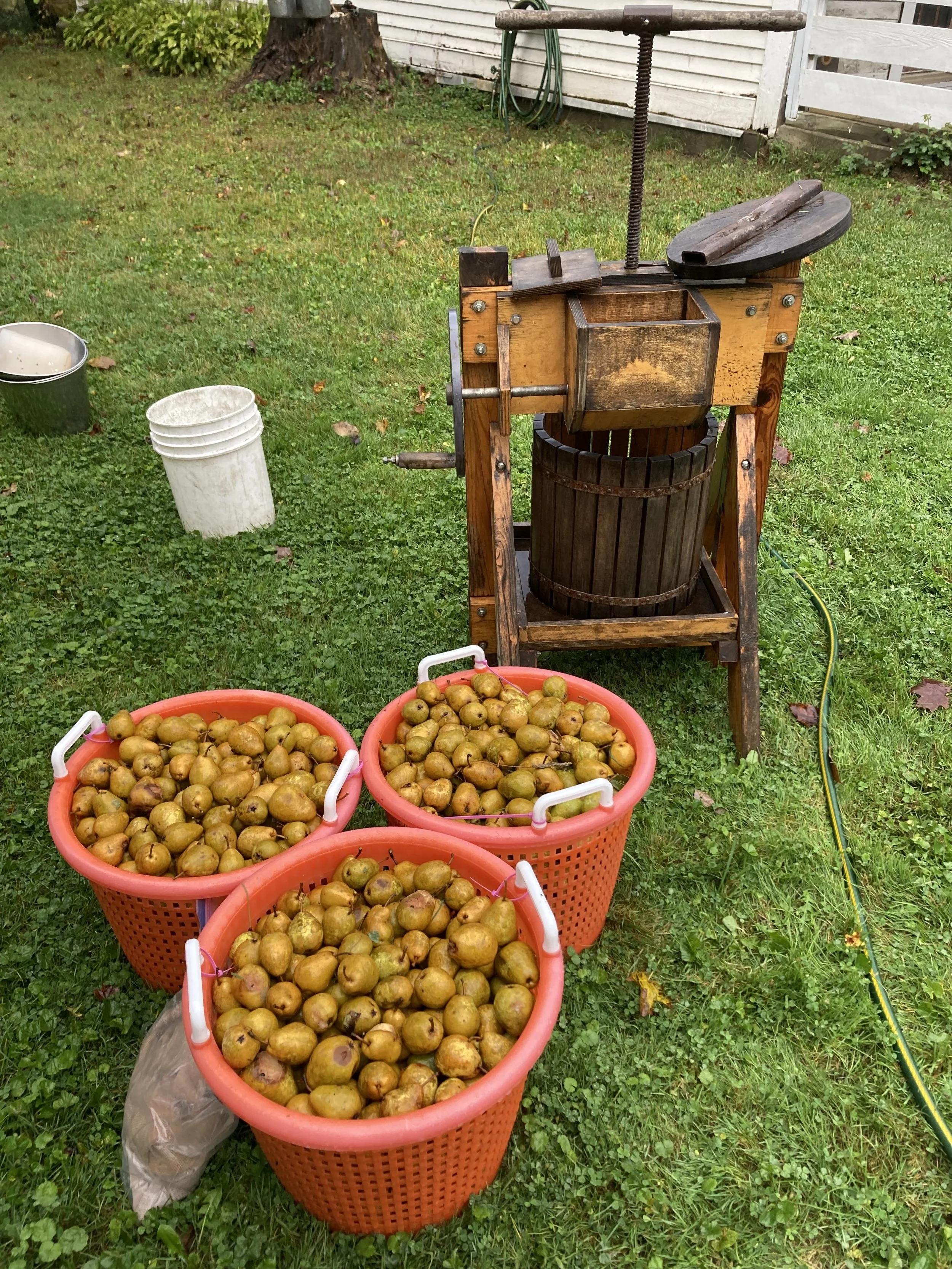
Fruits
We are currently working on building our inventory of seedlings and grafted fruit varieties. Some of the trees and bushes we are focussing on right now are:
- Pawpaw
- American Persimmon
- Quince
- Beech Plum
- American Plum
- Juneberry
- Elderberry
If you would like to be notified when any of these become available, or if you would like to recommend an additional fruit for us to try growing, please contact us.
-
![]()
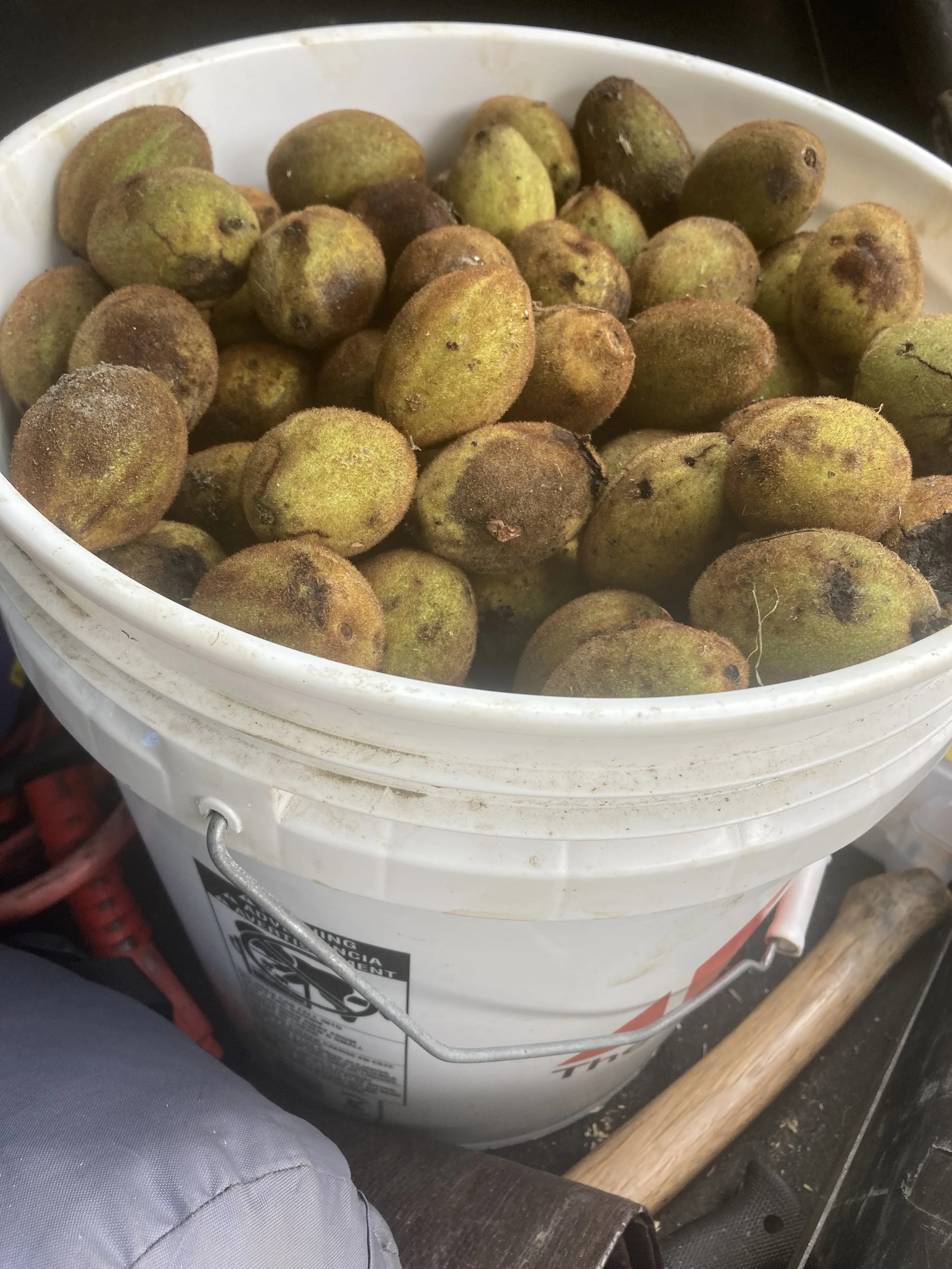
Nuts
We are currently working on building our inventory of nut varieties. Some of the trees and bushes we are focussing on right now are:
- Butternut
- Hybrid Chestnut
- Northern Pecan
- Flowering Almund
- American Hazelnut
If you would like to be notified when any of these become available, or if you would like to recommend an additional nut for us to try growing, please contact us.
-
![]()
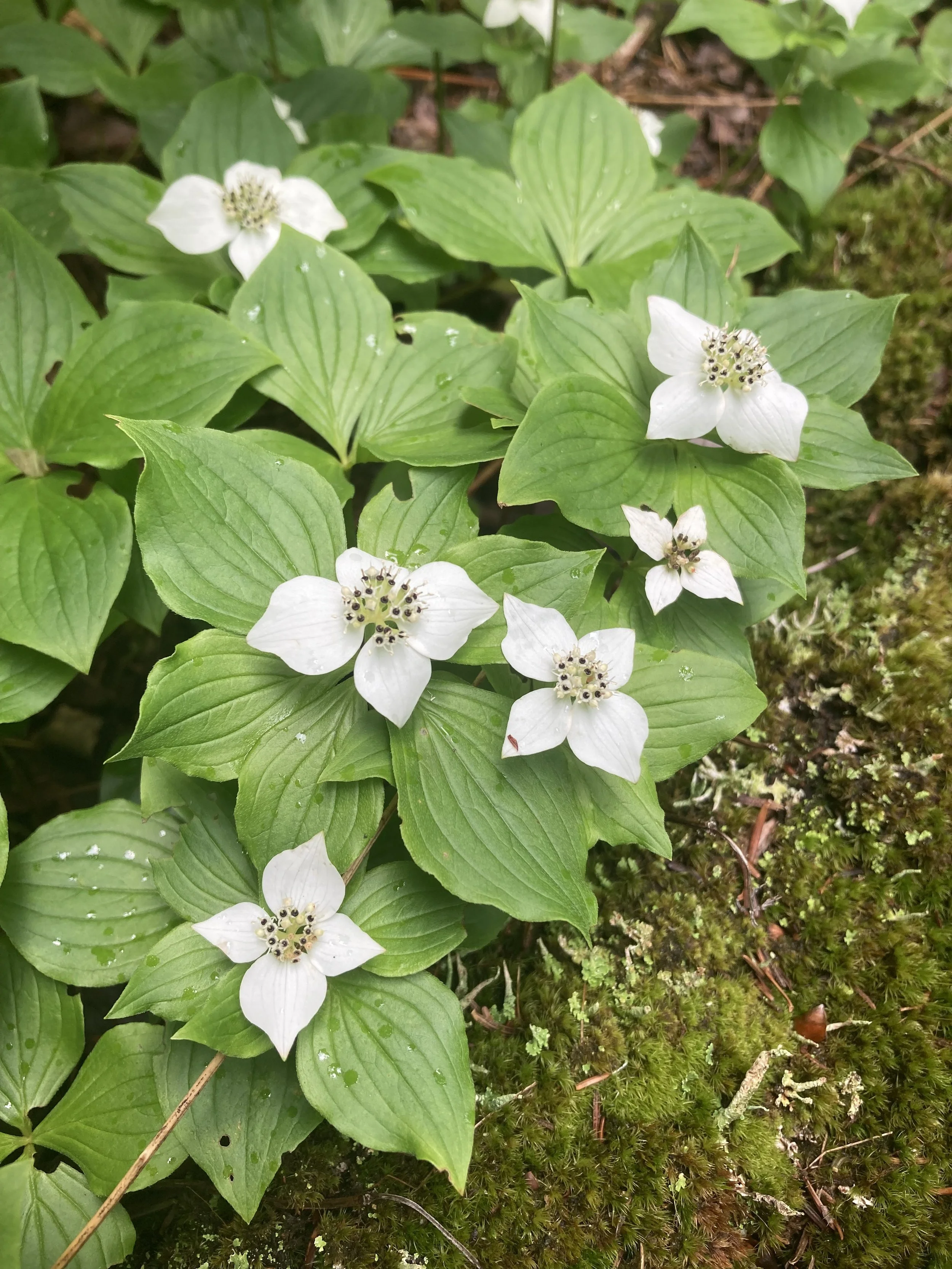
Decorative Landscape
We are currently working on building our inventory. Some of the plants we are focussing on right now are:
- Osage Orange
- Dawn Redwood
- Swamp Rose
- Beaked Yucca
If you would like to be notified when any of these become available, or if you would like to recommend additional trees or bushes for us to try growing, please contact us.
-
![]()
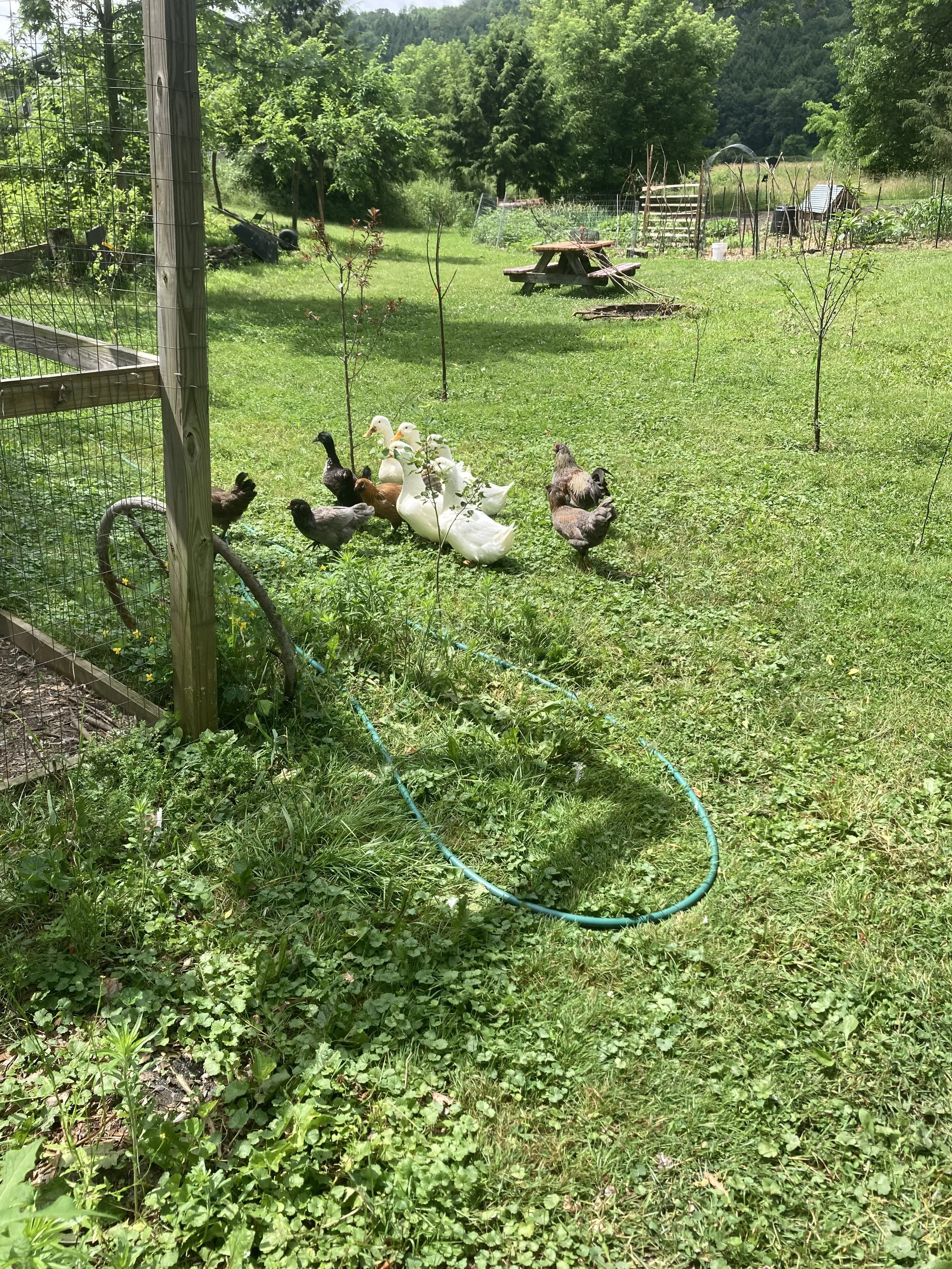
Spices
We are currently experimenting with growing spices. Our current focus is on:
- Szechuan Pepper bush
If you would like to be notified when this becomes available, or if you would like to recommend an additional spice or herb for us to try growing, please contact us.

Who
we are
We believe that there is no better way to stay connected to the world and live a healthy life than growing one’s own food. At Center River we started by compiling a collection of cold-hardy fruits and nuts (zones 3-5). We are particularly interested in trees not commonly grown in Vermont, such as American persimmons, almonds, and many more.
We are also environmentally conscious, so we shy away from plants commonly deemed as invasive, and when possible go a step further by choosing to grow native varieties. For example, in terms of juneberries, we are focussed on growing Amelanchier canadensis, native to the northeast, rather than varieties indigenous to other parts of the country or the world. Of course not all trees have a native version and we are also interested in non-invasive fruits and nuts, even if they do not originate in our region, as long as their presence here will not be harmful to our wildlife.
One day it became clear that our collection was too large for just us, so we would like to share some of it with you. We hope you share our enthusiasm!